
Is Aluminum in Deodorant Safe? What the Research Actually Says
If you've ever flipped over a deodorant stick and squinted at the ingredient list, you've probably seen it: aluminum zirconium tetrachlorohydrex or aluminum chlorohydrate. It's in almost every conventional antiperspirant on the market. And for decades, most men didn't give it a second thought.
But the conversation has changed. More men are asking: is aluminum in deodorant actually safe? And is there a real alternative that actually works?
Here's what the research says — and why we built HygieneLab without it.
What Does Aluminum Actually Do in Deodorant?
First, it's important to understand the difference between a deodorant and an antiperspirant.
Deodorant neutralizes odor-causing bacteria. It doesn't stop you from sweating — it just handles the smell.
Antiperspirant uses aluminum salts to physically block your sweat ducts, preventing sweat from reaching the skin's surface.
Most conventional products marketed as "deodorant" are actually antiperspirants — they contain aluminum specifically to stop sweating. And that aluminum is absorbed through the skin.
What Are the Concerns About Aluminum?
The debate around aluminum in personal care products has been ongoing for years. Here's what researchers have examined:
Hormone Disruption
Aluminum compounds have been shown to have estrogen-like (estrogenic) activity in some laboratory studies. Estrogen-mimicking chemicals — also called endocrine disruptors — can interfere with the body's hormonal signaling. While research is ongoing, the precautionary principle suggests that daily application of an estrogen-mimicking compound to thin underarm skin is worth examining carefully.
Breast Cancer Research
Several studies have investigated a potential link between aluminum-containing antiperspirants and breast cancer, given that antiperspirants are applied near breast tissue. The research here is mixed — most major cancer organizations state there is no conclusive evidence of a direct link, but researchers acknowledge that more long-term studies are needed. The proximity of application to breast tissue and the estrogenic activity of aluminum compounds keeps this an active area of investigation.
Aluminum Accumulation
Studies have detected elevated levels of aluminum in breast tissue samples. Daily application of aluminum-based products over decades raises questions about long-term accumulation — particularly given that the underarm area has high concentrations of lymph nodes.
Skin Irritation
On a more immediate level, aluminum salts are a common cause of underarm irritation, rashes, and staining on clothing. Many men experience skin reactions from conventional antiperspirants without knowing the culprit.
What Does EWG Say About Aluminum?
The Environmental Working Group (EWG) — the independent organization behind EWG Verification — flags aluminum compounds in personal care products as a moderate-to-high concern, citing:
- Endocrine disruption potential
- Concerns about organ system toxicity with repeated use
- Restricted use in cosmetics in some countries
EWG Verified products must be completely free from aluminum compounds. Every HygieneLab product carries EWG Verification — meaning our formula has been independently reviewed and approved as safe.
The Real Problem With Most "Natural" Deodorants
Here's something the clean beauty industry doesn't always talk about: many aluminum-free deodorants still rely on irritating ingredients that cause rashes and skin reactions — leaving men frustrated and convinced that natural deodorant just doesn't work.
The key is finding a formula that neutralizes odor effectively while being genuinely gentle on skin. HygieneLab uses Propanediol and Allantoin — ingredients that neutralize odor at the source without disrupting your skin's natural pH. The result is 24hr+ protection that works all day, without the irritation that makes most men give up on natural deodorant.
What to Look for in an Aluminum-Free Deodorant
If you're making the switch, here's what actually matters:
- No aluminum compounds — check for aluminum zirconium, aluminum chlorohydrate, or alum
- Skin-gentle formula — look for ingredients that neutralize odor without causing irritation
- No synthetic fragrance — "fragrance" on a label can hide hundreds of undisclosed chemicals
- Third-party verification — EWG Verified, Yuka Excellent, or Think Dirty score of 0 means someone other than the brand has reviewed the formula
- Proven all-day protection — look for real customer reviews, not just marketing claims
The Bottom Line
The research on aluminum in deodorant is not conclusive — but it's concerning enough that a growing number of men are choosing not to apply it to their skin every day. When a simple, effective alternative exists, the precautionary choice is easy.
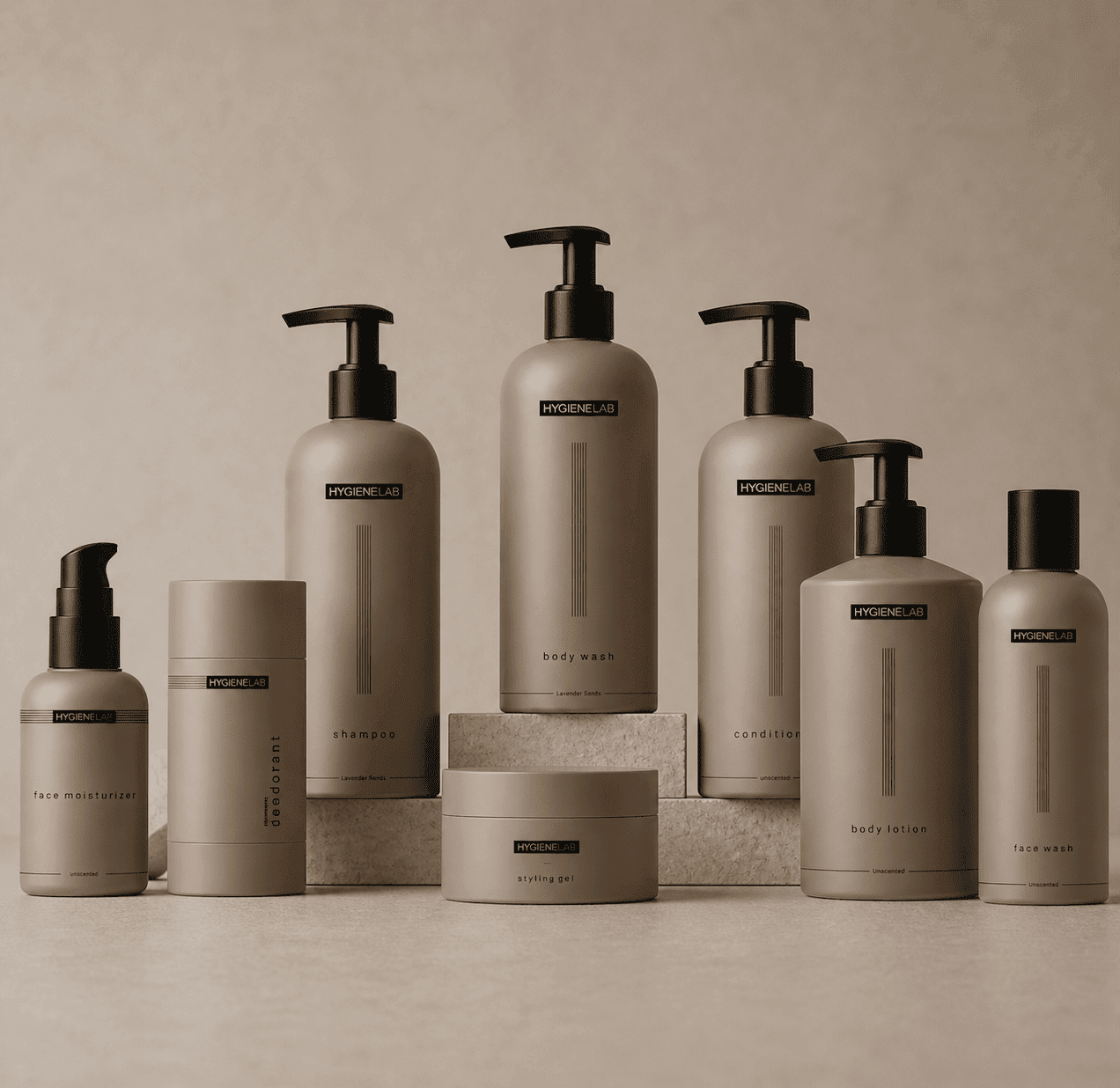
HygieneLab's aluminum-free deodorant is EWG Verified, has a Think Dirty score of 0, and is rated Excellent by Yuka — three independent safety certifications that no conventional antiperspirant can claim. And it actually works all day, without synthetic fragrance, without harmful aluminum compounds, and without compromise.
Try it risk-free for 60 days. If it's not the best deodorant you've ever used, we'll refund you. No questions asked. Shop the HygieneLab deodorant here.
— The HygieneLab Team