
Is Native a Clean Brand? An Honest Look at Their Ingredients
Native is one of the most recognizable names in "natural" personal care. Their marketing is clean, their packaging is minimal, and their messaging positions them as a healthier alternative to drugstore brands. Millions of men and women have made the switch to Native believing they're doing something good for their bodies.
But is Native actually a clean brand? The answer is more complicated than their marketing suggests — and worth understanding before you make it part of your daily routine.
Who Owns Native?
Before diving into ingredients, this is worth knowing: Native was founded in 2015 as an independent startup focused on cleaner personal care. In 2017, Procter & Gamble — the multinational corporation behind brands like Old Spice, Head & Shoulders, and Pantene — acquired Native for $100 million.
That doesn't automatically make their products worse. But it does mean Native is now a subsidiary of one of the world's largest conventional personal care companies. When you're evaluating whether a brand's "clean" claims are driven by genuine values or marketing strategy, ownership context matters.
The Fragrance Problem
The single biggest issue with Native across their product line is fragrance.
Most of Native's scented products — deodorants, body washes, shampoos — list "fragrance" or a "proprietary blend of oils" in their ingredient list. Under US regulations, brands are not required to disclose what's inside a fragrance blend. The word "fragrance" can represent a mixture of potentially hundreds of undisclosed chemicals, including phthalates, synthetic musks, and other compounds linked to hormone disruption.
When one independent reviewer directly asked Native to disclose their fragrance ingredients, the brand refused. That's not transparency — that's exactly the kind of opacity that "clean" brands are supposed to move away from.
To be fair, Native has stated that they use "a proprietary blend of oils" and that their fragrances comply with safety standards. But without independent verification or full disclosure, customers have no way to confirm this. A truly transparent brand wouldn't hide behind proprietary blends.
Is Native Non-Toxic?
This is the most searched question about Native — and the honest answer is: it depends on which product, and it's hard to know for certain because Native doesn't submit to independent third-party verification.
Native is not EWG Verified. Their products are not rated Excellent across the board on Yuka. They don't carry a Think Dirty score of 0. Without independent verification, you're largely taking Native's word about the safety of their formulas — including the undisclosed fragrance components.
Some Native products have cleaner ingredient lists than others. Their unscented options remove the fragrance concern entirely and are generally considered lower risk. But the scented versions — which are what most people buy — introduce the fragrance transparency issue that makes a full "non-toxic" label difficult to justify.
Native Deodorant: What's Actually in It?
Native deodorant's base formula includes some reasonable ingredients: caprylic/capric triglyceride, tapioca starch, coconut oil, shea butter, and baking soda. The baking soda is worth flagging — it's a common cause of underarm irritation in natural deodorants because it's highly alkaline and disrupts the skin's natural pH. Native does offer a sensitive formula without baking soda for people who react to it.
The key issue is the fragrance. Most Native deodorant scents list "fragrance" as an ingredient without disclosing what's in it. Native has stated they won't share this information, citing proprietary reasons. For someone trying to avoid endocrine disruptors, this is a significant gap in transparency.
Native Body Wash: What's Actually in It?
Native body wash uses coconut-derived surfactants instead of sulfates — which is a genuine positive. Sodium cocoyl isethionate and cocamidopropyl betaine are milder cleansers that don't strip the skin barrier the way SLS does.
However, the formula also contains sodium benzoate — a synthetic preservative that has been flagged as a potential skin irritant. And the scented versions list fragrance without disclosure, raising the same transparency concerns as the deodorant line.
Does Native Body Wash Cause Cancer?
This question gets searched frequently, and the honest answer is: there's no direct evidence that Native body wash causes cancer. However, the concern is understandable given that some earlier Native formulations reportedly contained cocamide DEA — an ingredient listed under California's Prop 65 as a known carcinogen. Native has reformulated products over time, but without ongoing independent verification, it's difficult for consumers to track exactly what's in each formula at any given time.
The fragrance issue is the more documented concern. Research has consistently linked phthalates — commonly found in synthetic fragrance blends — to hormone disruption. Without knowing what's in Native's fragrance, it's impossible to rule out this exposure.
How Does Native Compare to Truly Verified Clean Brands?
The key difference between Native and brands that have pursued genuine third-party verification comes down to accountability.
EWG Verification requires full ingredient disclosure — including fragrance components — reviewed against the full body of scientific literature. Brands that earn this certification have submitted every ingredient to independent scrutiny. Native hasn't done this.
That doesn't make Native the worst option on the market. Compared to conventional drugstore brands loaded with multiple synthetic dyes, parabens, and heavy fragrance use, Native is a step in the right direction. But "better than Old Spice" is a low bar for a brand positioning itself as clean.
The Bottom Line: Is Native a Clean Brand?
Native is cleaner than most conventional personal care brands. Their move away from sulfates, parabens, and aluminum is genuine and worth acknowledging. But they fall short of what a truly transparent, independently verified clean brand looks like — primarily because of their undisclosed fragrance ingredients and the absence of third-party safety certification across their line.
If you're trying to minimize your exposure to hormone-disrupting chemicals and want confidence that what's on the label is everything that's in the bottle, Native isn't there yet.
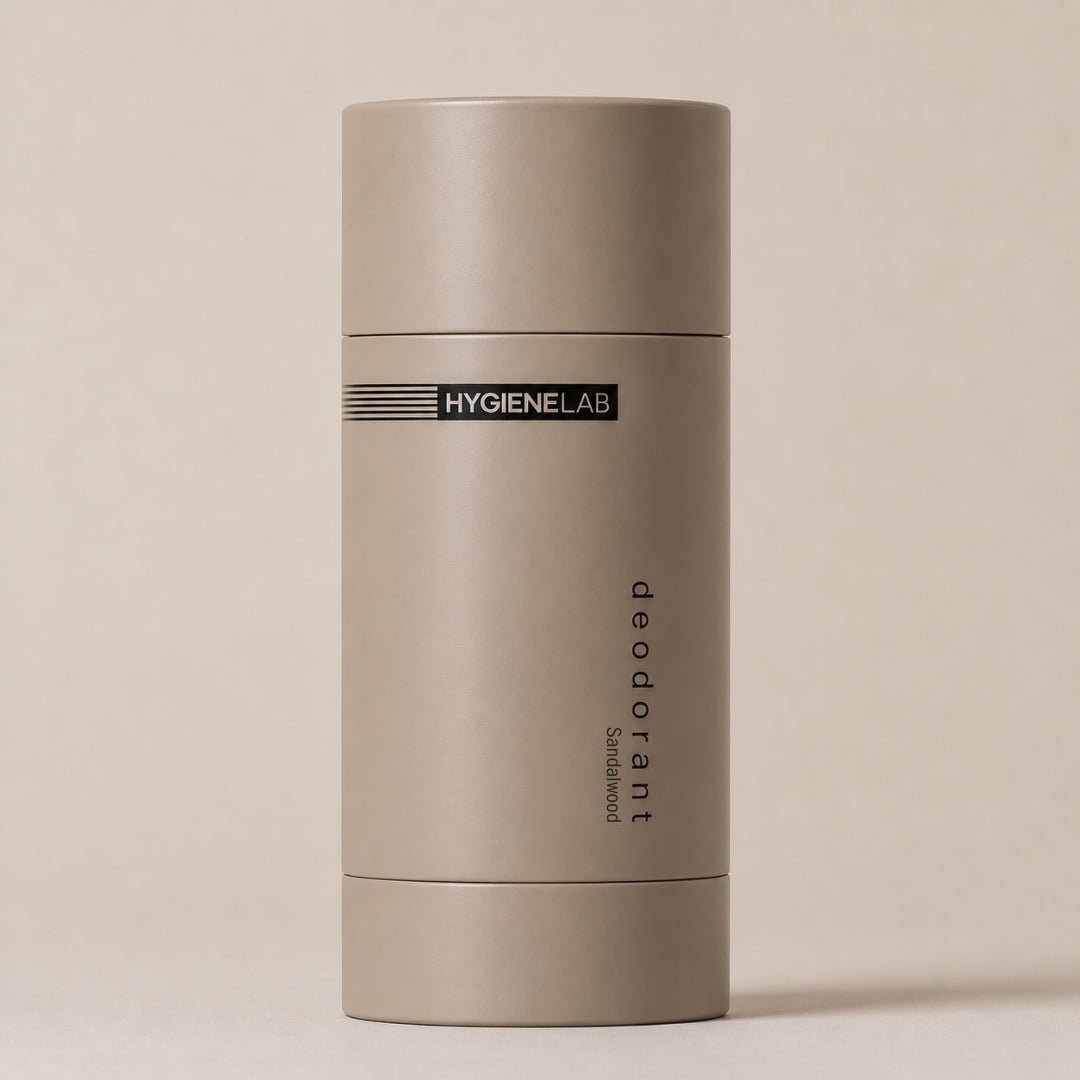
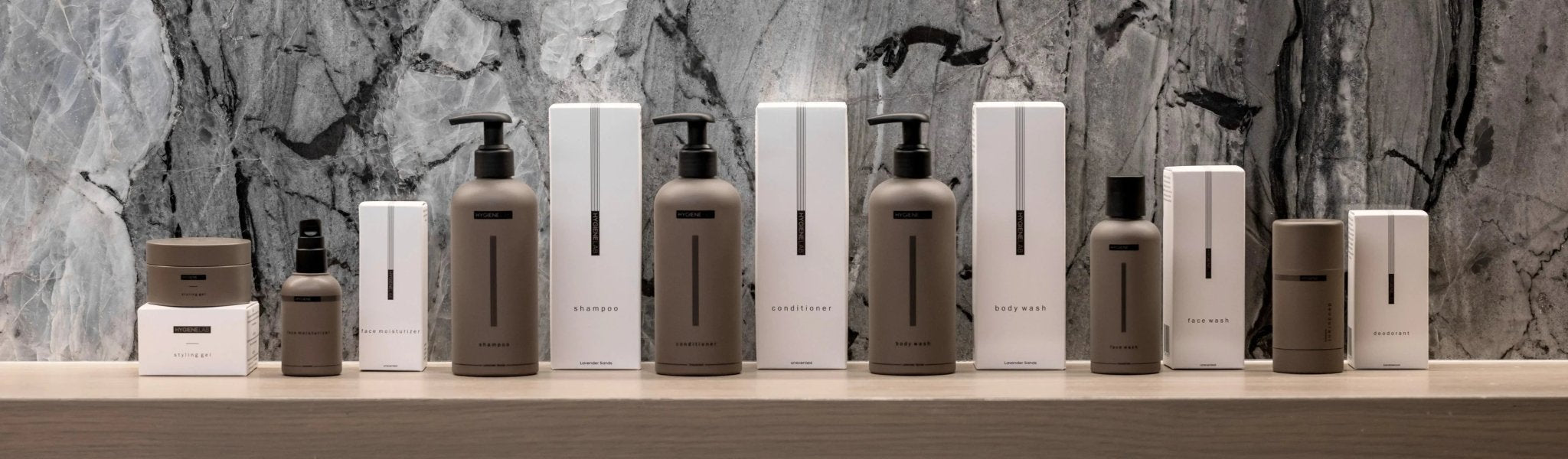
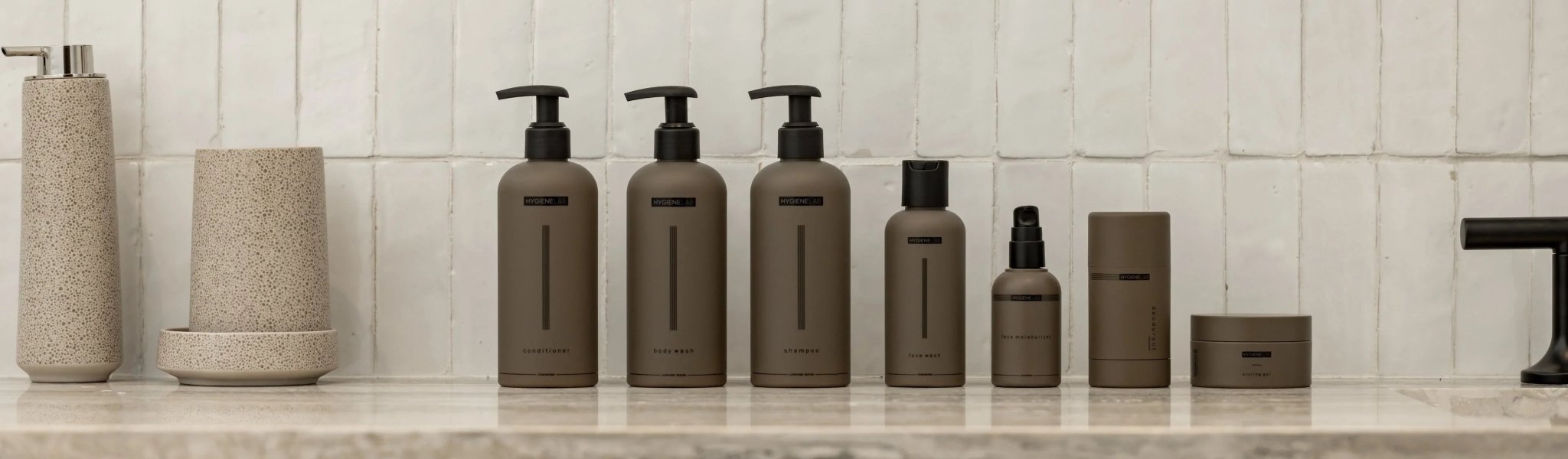
HygieneLab is EWG Verified, rated Excellent on Yuka, and has a Think Dirty score of 0 — meaning every ingredient has been independently reviewed and found to be free from chemicals of concern. Our scented products use pure essential oils only, with full disclosure. No proprietary blends, no hidden fragrance chemicals, no compromises.
Explore the full HygieneLab lineup here — every order ships free with a 60-day money-back guarantee.
Related Reading:
- The 4 Men's Grooming Brands to Avoid in 2026 (and Why)
- Your Soap Is Stealing Your Testosterone — How Fragrance Affects Your Hormones
- What Does EWG Verified Mean? And Why It Matters for Your Grooming Routine
— The HygieneLab Team